Why Your Toilet Keeps Running
More often than not, a toilet keeps running because one of three parts inside the cistern has failed, and none of them repairs itself. Working out which part takes minutes, and a simple colour test settles it. Homes along Beams Road and the streets off it span the 1960s through to the 2000s, so cisterns range from old dual-handle suites to modern button units, all wearing out at the same washers.
If we're late, $100 comes off your bill

- Licensed and InsuredEvery job done by a licensed plumber. QBCC No: 15024607
- Fixed Quote FirstFlat-rate pricing, agreed before any work starts
- Lifetime Labour WarrantyBacked by our Fix-It-or-It's-Free guarantee (T&Cs apply)
- $0 Call-Out FeesNo extra charge for nights, weekends or public holidays
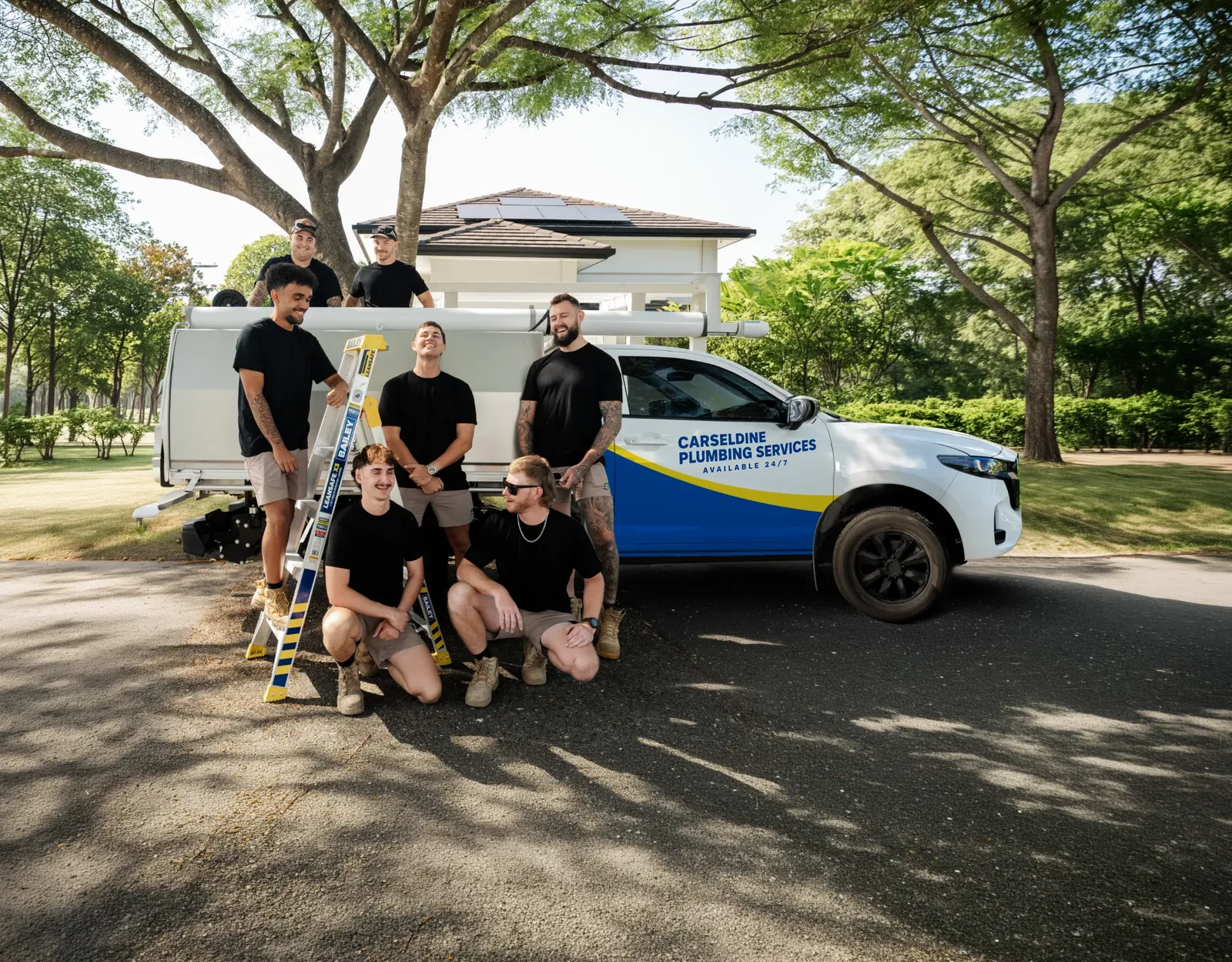
Our Carseldine plumbing team repairs running toilets every week, and every job is done by a licensed plumber. This guide walks through the causes, the colour test that confirms them, and the short list of cistern work Queensland leaves to the householder.
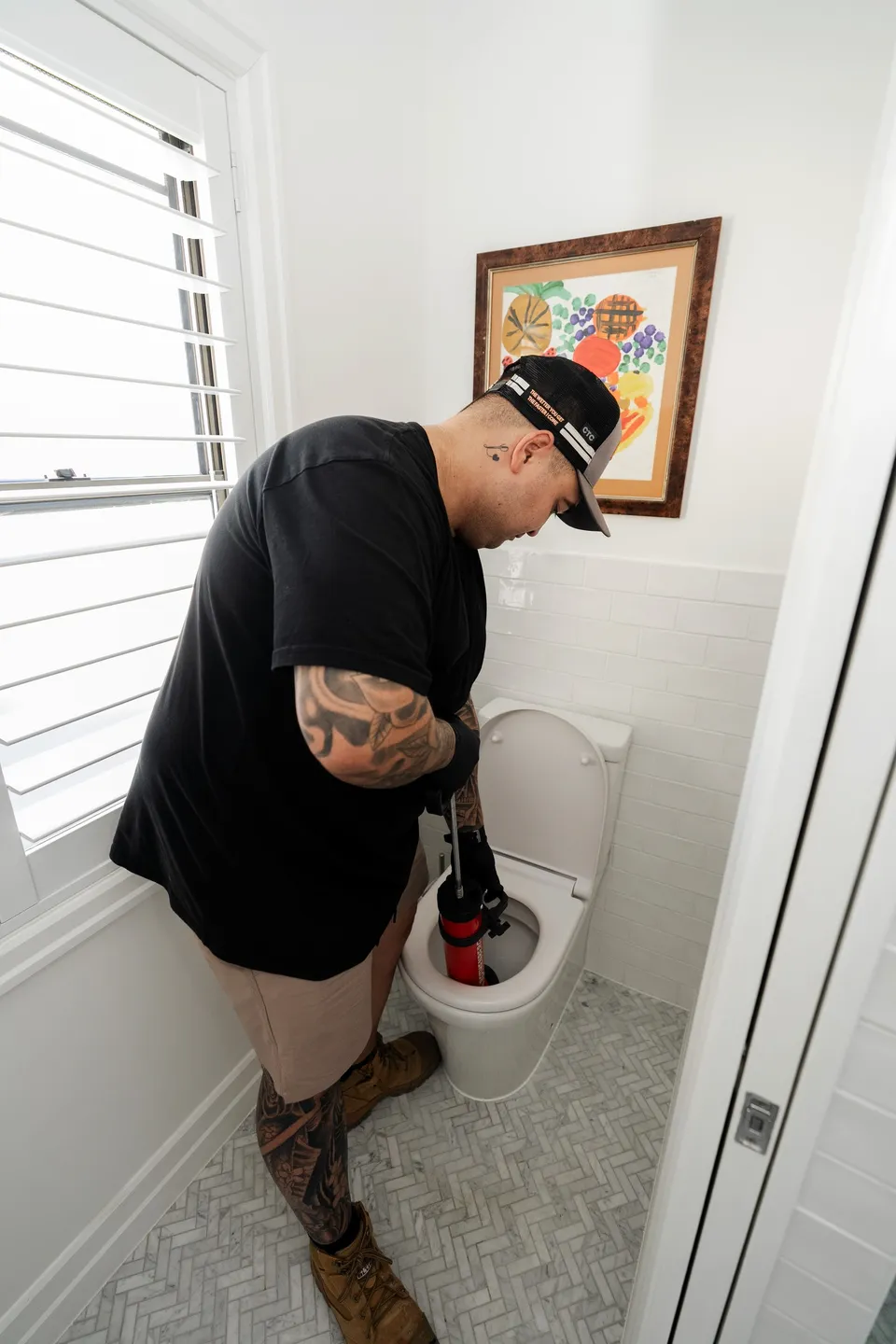
The Three Causes of a Running Toilet
Three faults sit behind nearly every running cistern: an inlet valve that fails to close, a flush valve seal passing water into the pan, and a water level so high it escapes through the overflow. Each leaves its own clue.
The inlet valve
This valve tops the cistern back up after a flush and closes when the float reaches level. A valve that is worn or jammed keeps filling, so you hear hissing or trickling long after the flush finishes.
The flush valve seal
This seal keeps the stored water in the cistern until you press the button. Once it perishes, water slips past it into the pan, the level drops and the inlet valve quietly refills the cistern every few minutes with nobody flushing.
The overflow
The overflow acts as an escape route for excess water, sending it into the pan rather than onto your floor. Water running from it, including a drip from the overflow pipe outside, tells you the cistern is filling past its set level, so the inlet valve or float needs attention.
What Colour in the Bowl Tells You
Add a little food colouring to the cistern water, leave the toilet alone, then check the bowl: colour appearing there means water is escaping past the flush valve seal.
Three details make the test trustworthy:
Flush afterwards
One flush rinses the colour away, because ceramic does not absorb it.
A clear bowl means the seal holds
Your next checks are the inlet valve itself and the water height.
No colouring in the house?
Press a square of dry toilet paper against the rear wall of the bowl, just above the waterline. It stays dry unless a trickle is running down that wall, which points to the same leaking seal.

Slow, Partial or No Refill After a Flush
When the cistern refuses to fill, three suspects come first: an inlet valve that is worn or blocked, a float riding low, plus a stop tap that is not fully open. The valve fails more often than the other two combined.
The pattern matters as much as the part. If water keeps running yet the level never climbs, the flush valve seal may be letting water out almost as quickly as it arrives. A cistern that fills at a crawl but gets there usually means the inlet valve itself is choking the flow.
From a 1970s dual-handle suite in an older place to a button cistern in a 1990s townhouse, the parts differ but the diagnosis runs the same.
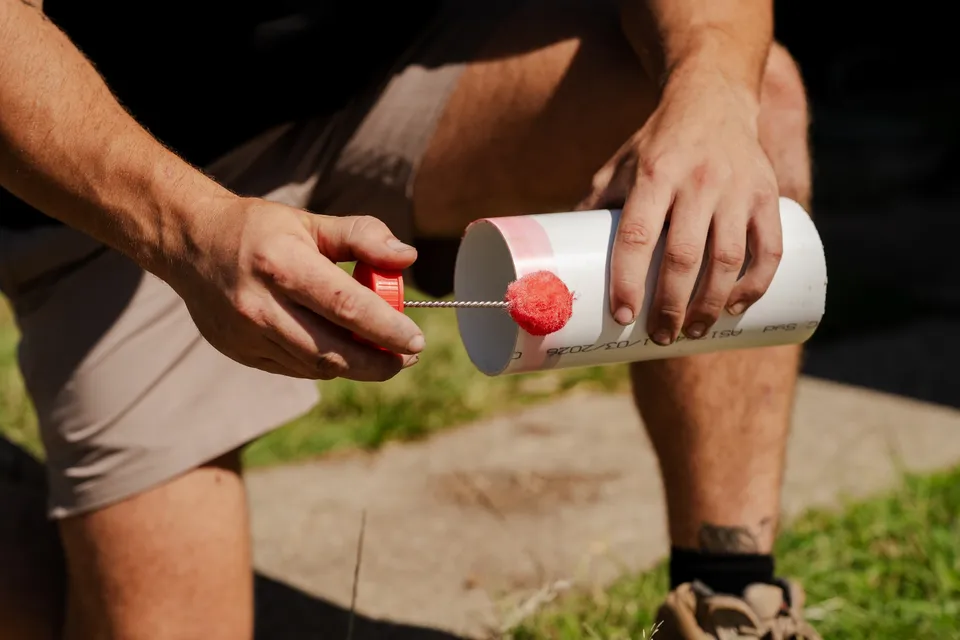
The QBCC List of Unregulated Cistern Work
The QBCC lists three cistern parts as work you may do yourself: a suction cup rubber, a drop valve washer and a float valve washer, provided you have the appropriate knowledge and level of skill. The finished work still has to reach the minimum standard set by the legislation and the codes.
Every other toilet repair counts as minor work, which a QBCC licensee has to do, with no permit needed and no Form 4. That covers inlet valves, outlet valves, flush assemblies, buttons and any replacement cistern or suite.
Rentals add two duties. Under Queensland tenancy law, the owner must keep the rental maintained and the tenant must report problems promptly. The emergency list covers a toilet that cannot be used, not one that merely runs, so this counts as routine and is fixed within a reasonable timeframe.
What a Running Cistern Does to Your Water Bill
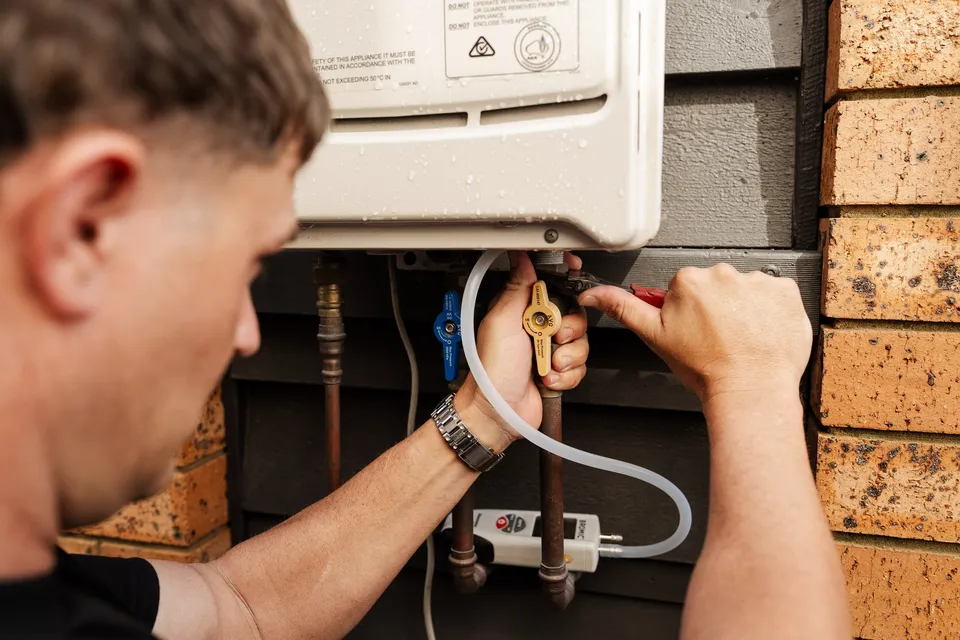
No, the leak adjustment Urban Utilities offers for concealed leaks does not extend to water wasted by a running cistern. Leaking taps, hot water systems and other water-using appliances are excluded too, so every litre a running cistern loses is billed in full.
The owner of the property answers for leaks and for the water they waste. Plenty of houses in the suburb are rented: the tenant hears the trickle, the account lands with the owner. Anyone who does the weekly shop at Aspley Hypermarket, just across Cabbage Tree Creek in Aspley, knows how a small steady cost still finds its way into a budget.
When to Call a Plumber
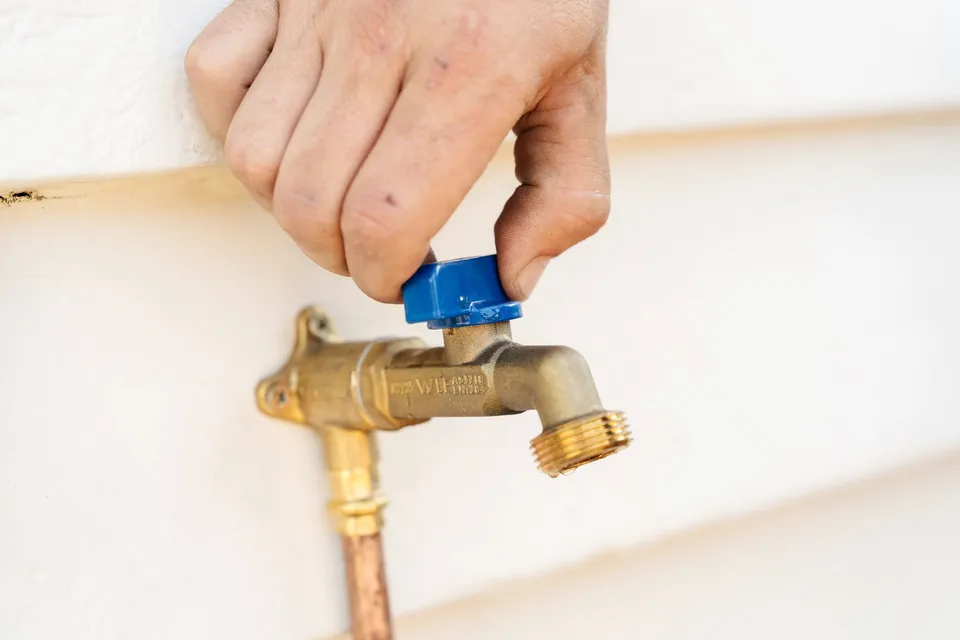
Ring us when colour shows in the bowl after the test, when the hissing continues once the cistern has refilled, or when the cistern never fills. Water dripping outdoors from the overflow is another reason, because that fault never corrects itself.
A householder may lawfully swap the three QBCC-listed washers and rubbers. Anything beyond that, including adjusting the float or opening the valve assembly, belongs with a licensed plumber. Our toilet repairs service covers every fault on this page, with a fixed quote before any work starts.
Running Toilet Questions in Carseldine
Call (07) 3524 7163Why does my toilet keep running after I flush?
Three faults cover all cases in Carseldine: an inlet valve stuck open, a flush valve seal leaking into the pan, or a water level spilling out through the overflow. A cistern refilling itself every few minutes suggests the seal; a hiss that never stops suggests the valve.
Why is my toilet cistern not filling up?
The usual causes in Carseldine homes are a worn or blocked inlet valve, a float riding low, plus a stop tap not fully open. If water runs but the level never rises, the culprit is often the flush valve seal, draining it at the same rate it arrives.
Will food colouring stain my toilet bowl?
No, the colouring washes straight out of a ceramic bowl with one flush. It is simply the standard home check for a cistern leaking into the pan.
Which toilet cistern parts can a home owner replace?
Three cistern parts sit on the QBCC's unregulated list: a float valve washer, a suction cup rubber and a drop valve washer. No licence is needed, though the work must still comply with the standards. Every other toilet repair needs a licensed plumber.

Talk to Us About Your Running ToiletWe'll call you back.
Ring (07) 3524 7163 and tell us what's wrong. You get $0 call-out fees, a fixed quote before any work starts and same-day where we can, 7 days a week.
To claim your $0 call-out fee, call (07) 3524 7163 today.